

Blog

SECR reporting explained: who needs to comply and what’s required in the UK

Reduce and Report

Policy & Compliance

Blog

SECR reporting explained: who needs to comply and what’s required in the UK

Reduce and Report

Policy & Compliance

A woman using a tablet
Andrea Piras

Senior Demand Generation Manager

Edited: 10 Feb 2026

10 min read

A woman using a tablet

Streamlined Energy and Carbon Reporting (SECR) is a UK reporting requirement that obliges certain organisations to disclose their energy use and carbon emissions as part of their annual reporting.

If you’re unsure whether SECR applies to your business, what exactly you need to report, or what happens if you get it wrong, this guide explains it clearly; without jargon.

This page is written for UK businesses that want to stay compliant and use reporting as a foundation for credible climate action.

What is SECR?

Streamlined Energy and Carbon Reporting (SECR) is a UK government framework introduced in 2019 to increase transparency around organisational energy use and greenhouse gas emissions.

SECR requires qualifying organisations to disclose:

  • Energy consumption

  • Associated carbon emissions (Scope 1 and Scope 2)

  • Actions taken to improve energy efficiency

The information must be included in statutory annual filings, making it publicly available

The aim is simple:
to improve consistency, comparability, and accountability in how UK organisations report their environmental impact.

Streamlined Energy and Carbon Reporting (SECR) is a UK government framework introduced in 2019 to increase transparency around organisational energy use and greenhouse gas emissions.

SECR requires qualifying organisations to disclose:

  • Energy consumption

  • Associated carbon emissions (Scope 1 and Scope 2)

  • Actions taken to improve energy efficiency

The information must be included in statutory annual filings, making it publicly available

The aim is simple:
to improve consistency, comparability, and accountability in how UK organisations report their environmental impact.

Who does SECR apply to?

SECR applies to large UK organisations, including, companies and LLPs that are:

  • UK incorporated and

  • Meet two or more of the following:

    • Turnover of £36 million or more

    • Balance sheet total of £18 million or more

    • 250 or more employees

Quoted companies

UK-listed companies are also subject to SECR, with some additional reporting requirements.

Who is exempt?

SECR does not apply to organisations that fall below the size thresholds set by the Companies Act.

In addition, organisations that consume less than 40 MWh of energy during the reporting period may qualify for a de minimis exemption. Where this exemption is used, it must be explicitly stated in the Directors’ Report.

While many small and medium-sized businesses are not legally required to comply with SECR, some choose to voluntarily report to meet investor, client, or supply chain expectations.

SECR applies to large UK organisations, including, companies and LLPs that are:

  • UK incorporated and

  • Meet two or more of the following:

    • Turnover of £36 million or more

    • Balance sheet total of £18 million or more

    • 250 or more employees

Quoted companies

UK-listed companies are also subject to SECR, with some additional reporting requirements.

Who is exempt?

SECR does not apply to organisations that fall below the size thresholds set by the Companies Act.

In addition, organisations that consume less than 40 MWh of energy during the reporting period may qualify for a de minimis exemption. Where this exemption is used, it must be explicitly stated in the Directors’ Report.

While many small and medium-sized businesses are not legally required to comply with SECR, some choose to voluntarily report to meet investor, client, or supply chain expectations.

What does SECR require you to report?
SECR reporting focuses on three core areas.

1. Energy use

You must report total energy consumption from:

  • Electricity

  • Gas

  • Transport fuel (if applicable)

This should be expressed in kilowatt-hours (kWh).

2. Greenhouse gas emissions

Organisations must disclose:

  • Scope 1 emissions (direct emissions, e.g. gas, owned vehicles)

  • Scope 2 emissions (indirect emissions from purchased electricity)

Emissions must be calculated using recognised conversion factors and methodologies.

3. Energy efficiency actions

You are required to describe:

  • Measures taken during the reporting year to improve energy efficiency

  • Or explicitly state that no measures were taken, with justifications 

This section is qualitative but scrutinised closely by auditors and stakeholders.

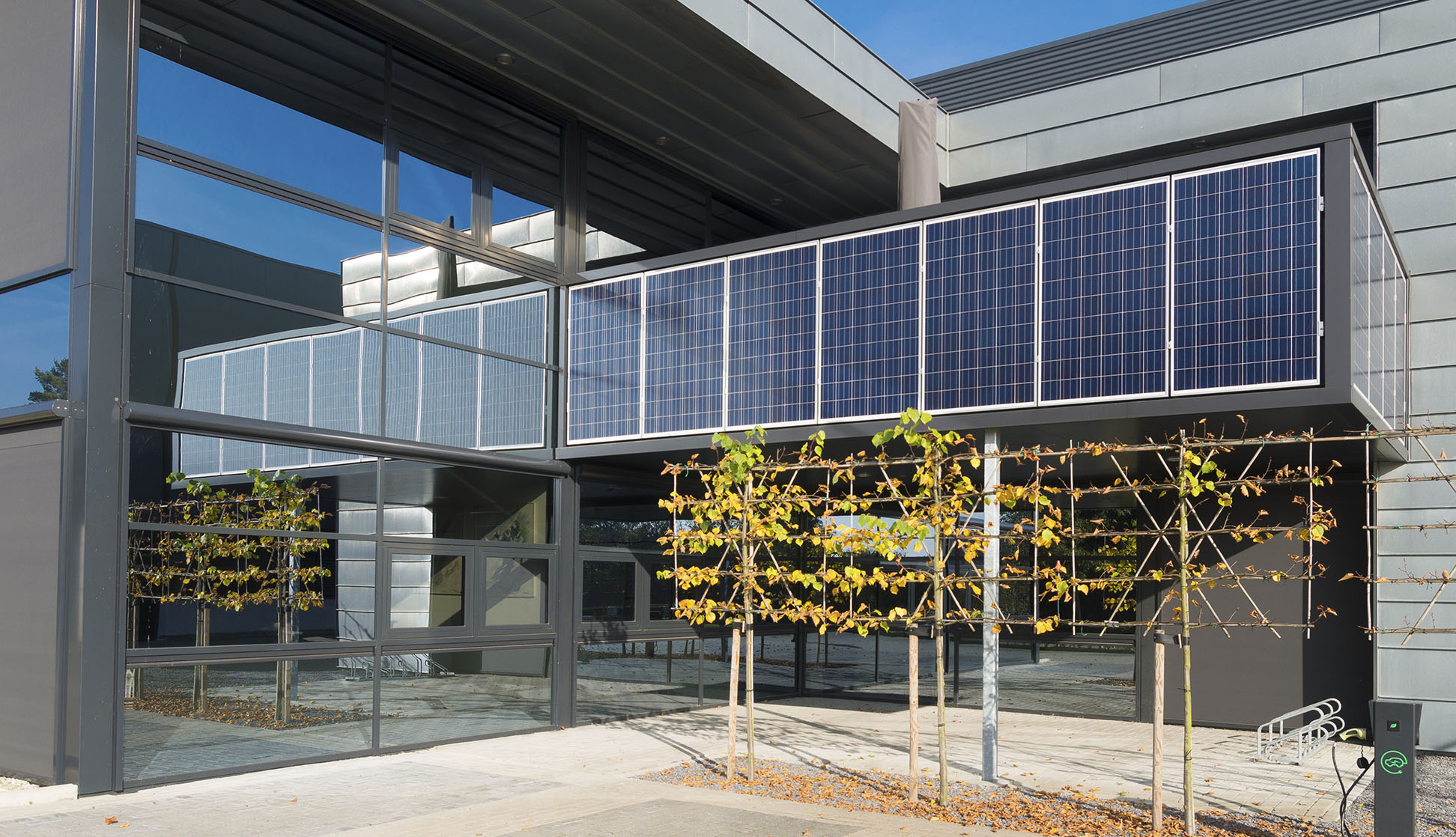
Solar panels are an example of an energy efficiency action

SECR reporting focuses on three core areas.

1. Energy use

You must report total energy consumption from:

  • Electricity

  • Gas

  • Transport fuel (if applicable)

This should be expressed in kilowatt-hours (kWh).

2. Greenhouse gas emissions

Organisations must disclose:

  • Scope 1 emissions (direct emissions, e.g. gas, owned vehicles)

  • Scope 2 emissions (indirect emissions from purchased electricity)

Emissions must be calculated using recognised conversion factors and methodologies.

3. Energy efficiency actions

You are required to describe:

  • Measures taken during the reporting year to improve energy efficiency

  • Or explicitly state that no measures were taken, with justifications 

This section is qualitative but scrutinised closely by auditors and stakeholders.

Solar panels are an example of an energy efficiency action

Where and how is SECR reported?

SECR disclosures must be included in:

  • The Directors’ Report (or equivalent)

  • Filed with Companies House

  • Made publicly available as part of statutory accounts

There is no separate SECR submission portal. Accuracy and consistency with financial reporting are therefore critical.

SECR disclosures must be included in:

  • The Directors’ Report (or equivalent)

  • Filed with Companies House

  • Made publicly available as part of statutory accounts

There is no separate SECR submission portal. Accuracy and consistency with financial reporting are therefore critical.

What happens if you don’t comply with SECR?

Failure to comply with SECR is a breach of the Companies Act 2006 reporting requirements. Because SECR disclosures must be included in statutory annual filings, non-compliance can result in accounts being considered incomplete or non-compliant.

If this leads to delayed or rejected filings, Companies House may apply automatic civil penalties for late submission. In addition, the Financial Reporting Council (FRC) may challenge inadequate disclosures, creating regulatory and reputational risk.

Financial Penalties

If your annual report is rejected due to missing SECR data, you risk missing your filing deadline, which triggers automatic civil penalties.

Length of delay

Private Company / LLP Fine

Public Company (PLC) Fine

Up to 1 month

£150

£750

1 to 3 months

£375

£1,500

3 to 6 months

£750

£3,000

Over 6 months

£1,500

£7,500

Note: These fines are doubled if a company files late in two successive financial years.

Personal Liability

Responsibility for SECR disclosures sits with company directors. While SECR non-compliance does not usually result in direct fines, the Financial Reporting Council can apply to court to require a company to correct or reissue defective reports. Persistent failure to comply with statutory reporting obligations can escalate into broader regulatory action, with reputational, governance, and investor consequences for directors.

Lessons from Similar Frameworks

While SECR-specific fines are often handled through the "rejection and resubmission" process, the UK government is increasingly aggressive with environmental enforcement. For instance, the Environment Agency recently issued over £160,000 in fines to businesses failing to comply with ESOS (Energy Savings Opportunity Scheme) - a clear signal that the era of "optional" carbon reporting is over.

Reputational risk

  • Public filings are easily accessible

  • Inaccurate or vague reporting raises red flags with investors, clients, and journalists

Commercial risk

Increasingly, SECR data is used in:

  • Procurement decisions

  • Due diligence

  • Sustainability ratings and benchmarks

In practice, weak SECR reporting often undermines broader climate claims; even when organisations are taking action elsewhere.

Failure to comply with SECR is a breach of the Companies Act 2006 reporting requirements. Because SECR disclosures must be included in statutory annual filings, non-compliance can result in accounts being considered incomplete or non-compliant.

If this leads to delayed or rejected filings, Companies House may apply automatic civil penalties for late submission. In addition, the Financial Reporting Council (FRC) may challenge inadequate disclosures, creating regulatory and reputational risk.

Financial Penalties

If your annual report is rejected due to missing SECR data, you risk missing your filing deadline, which triggers automatic civil penalties.

Length of delay

Private Company / LLP Fine

Public Company (PLC) Fine

Up to 1 month

£150

£750

1 to 3 months

£375

£1,500

3 to 6 months

£750

£3,000

Over 6 months

£1,500

£7,500

Note: These fines are doubled if a company files late in two successive financial years.

Personal Liability

Responsibility for SECR disclosures sits with company directors. While SECR non-compliance does not usually result in direct fines, the Financial Reporting Council can apply to court to require a company to correct or reissue defective reports. Persistent failure to comply with statutory reporting obligations can escalate into broader regulatory action, with reputational, governance, and investor consequences for directors.

Lessons from Similar Frameworks

While SECR-specific fines are often handled through the "rejection and resubmission" process, the UK government is increasingly aggressive with environmental enforcement. For instance, the Environment Agency recently issued over £160,000 in fines to businesses failing to comply with ESOS (Energy Savings Opportunity Scheme) - a clear signal that the era of "optional" carbon reporting is over.

Reputational risk

  • Public filings are easily accessible

  • Inaccurate or vague reporting raises red flags with investors, clients, and journalists

Commercial risk

Increasingly, SECR data is used in:

  • Procurement decisions

  • Due diligence

  • Sustainability ratings and benchmarks

In practice, weak SECR reporting often undermines broader climate claims; even when organisations are taking action elsewhere.

Why SECR matters beyond compliance
While SECR is a legal requirement, it also creates an opportunity.

Done properly, SECR can:

  • Establish a credible emissions baseline

  • Improve internal data quality

  • Support future disclosures (e.g. SBTi, net zero strategies)

  • Reduce exposure to greenwashing and misleading claims

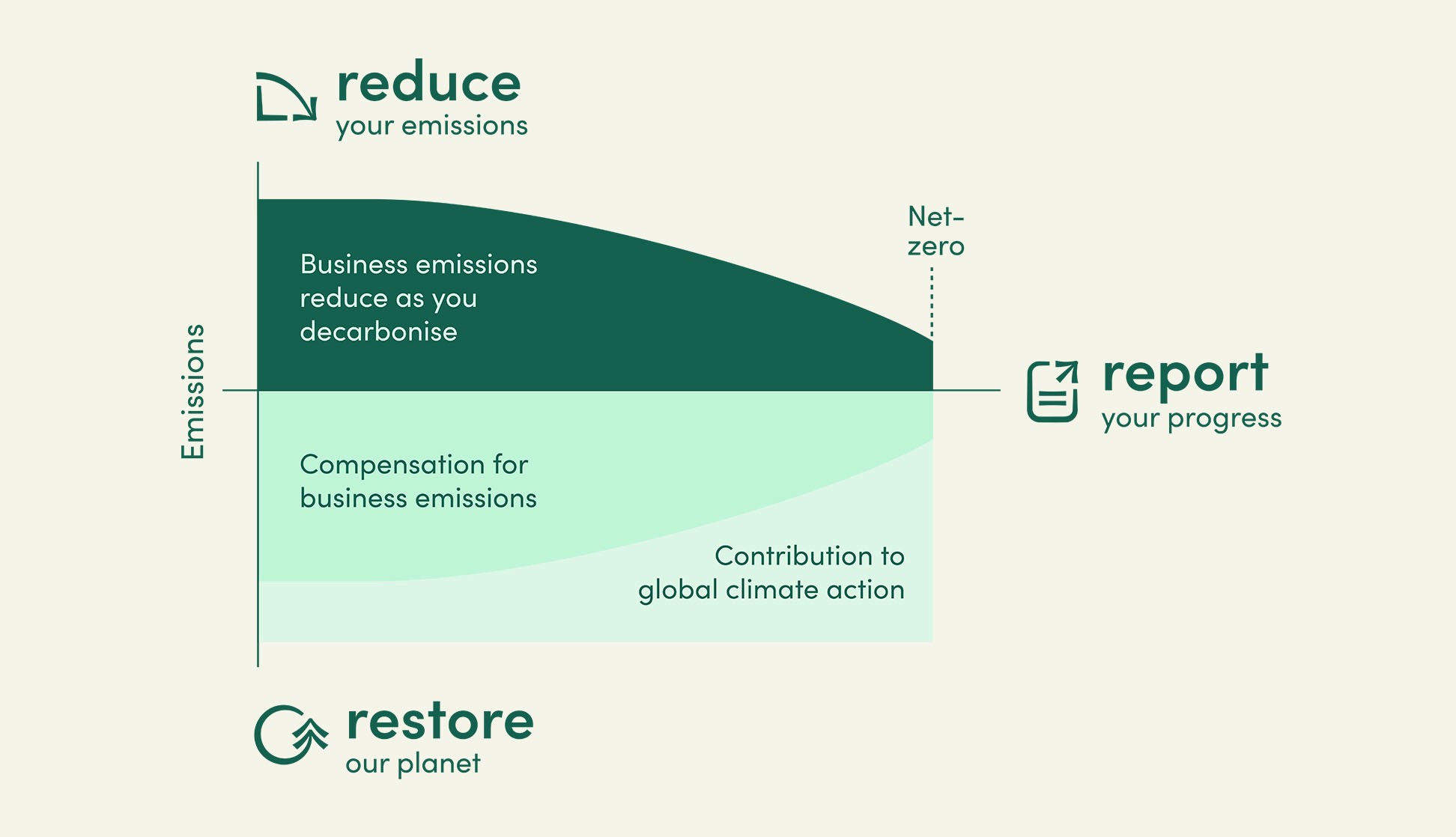
Within Ecologi’s 3Rs framework, SECR sits firmly within the Report pillar. It provides the reporting foundation that supports transparency and accountability, while enabling more credible emissions reduction planning over time.

Many UK organisations use SECR as the first structured step toward more advanced climate reporting.

A visual example of Ecologi's 3Rs framework

While SECR is a legal requirement, it also creates an opportunity.

Done properly, SECR can:

  • Establish a credible emissions baseline

  • Improve internal data quality

  • Support future disclosures (e.g. SBTi, net zero strategies)

  • Reduce exposure to greenwashing and misleading claims

Within Ecologi’s 3Rs framework, SECR sits firmly within the Report pillar. It provides the reporting foundation that supports transparency and accountability, while enabling more credible emissions reduction planning over time.

Many UK organisations use SECR as the first structured step toward more advanced climate reporting.

A visual example of Ecologi's 3Rs framework

How Ecologi helps with SECR reporting

Ecologi supports UK businesses by making SECR reporting:

  • Accurate

  • Audit-ready

  • Aligned with best-practice climate frameworks

We help organisations:

  • Measure Scope 1 and Scope 2 emissions correctly

  • Apply appropriate methodologies and conversion factors

  • Present disclosures clearly and defensibly

  • Build a reporting foundation that scales beyond SECR

Trusted by over 16,000 businesses, including hundreds of UK organisations navigating statutory climate reporting, Ecologi helps teams report with confidence.

Speak to a climate expert to understand how SECR applies to your organisation and how to report with confidence.

Ecologi supports UK businesses by making SECR reporting:

  • Accurate

  • Audit-ready

  • Aligned with best-practice climate frameworks

We help organisations:

  • Measure Scope 1 and Scope 2 emissions correctly

  • Apply appropriate methodologies and conversion factors

  • Present disclosures clearly and defensibly

  • Build a reporting foundation that scales beyond SECR

Trusted by over 16,000 businesses, including hundreds of UK organisations navigating statutory climate reporting, Ecologi helps teams report with confidence.

Speak to a climate expert to understand how SECR applies to your organisation and how to report with confidence.

Frequently asked questions

What does SECR stand for?
Who needs to comply with SECR in the UK?
Is SECR mandatory?
What happens if my company consumes very little energy?
Is SECR the same as carbon reporting?

Frequently asked questions

What does SECR stand for?
Who needs to comply with SECR in the UK?
Is SECR mandatory?
What happens if my company consumes very little energy?
Is SECR the same as carbon reporting?

Is your business ready
to take climate action?

If this article has inspired your business to start its climate journey, talk to our team today.

Is your business ready
to take climate action?

If this article has inspired your business to start its climate journey, talk to our team today.

Is your business ready
to take climate action?

If this article has inspired your business to start its climate journey, talk to our team today.